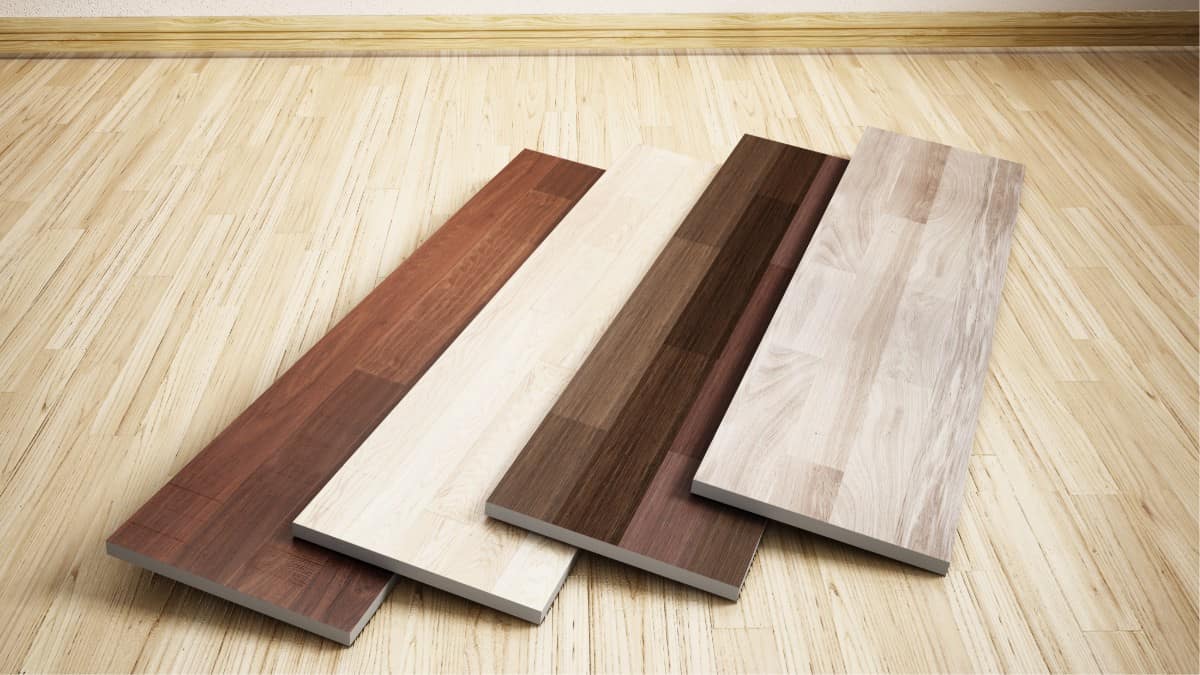
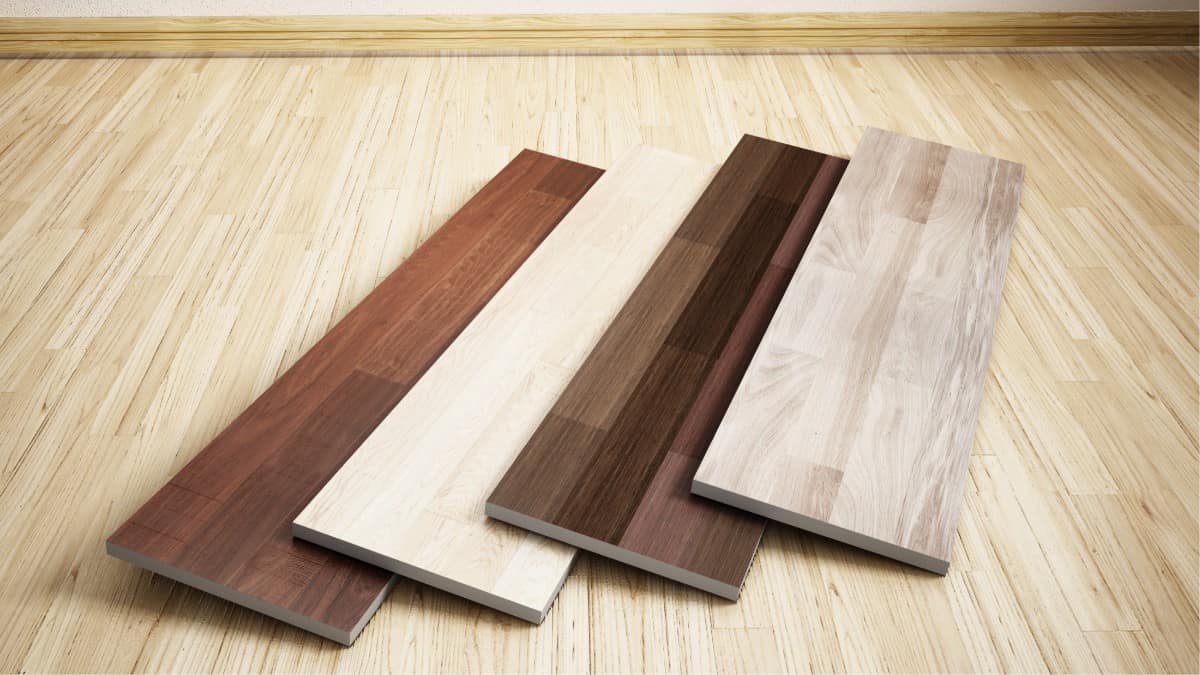
La Crosse Premium Hardwood Flooring

Engineered Hardwood Installation

La Crosse Premium Hardwood Flooring installs engineered hardwood in La Crosse, WI. Engineered planks use a real-wood wear layer over a plywood or HDF core, usually 3/8 to 3/4 inch thick, so the floor moves less than solid 3/4-inch boards when indoor humidity swings.

We also take hardwood flooring jobs in Onalaska, Holmen, West Salem, and La Crescent.

  • Free estimates
  • Click-lock, glue-down, or nail-down
  • Good fit over concrete slabs
  • Basement and radiant heat options
Talk to a Flooring Expert

Get Your Free Estimate

We'll get back to you within one business day.

Engineered Hardwood Installation Details

Engineered hardwood is the usual pick over slabs, in basements, and on radiant heat when solid strip would fight the moisture. Wear-layer thickness and fastening method get locked before the material is ordered.

Wear Layer and Core Construction

Engineered hardwood is a real-wood wear layer over a plywood or HDF core. Wear-layer thickness decides whether the floor can take a future sand; about 2 mm or more is the usual threshold. Core construction is why the plank moves less than solid 3/4-inch boards when indoor humidity swings. Species on the face still matter for hardness and color: oak, maple, hickory, and walnut are common. Prefinished vs. unfinished engineered follows the same tradeoffs as solid: speed and odor vs. on-site color match. Knowing the build before you buy keeps you from ordering a thin veneer you cannot refinish later. We call out wear-layer thickness on the estimate so future refinish options are not a surprise.

Click-Lock Installation

Many engineered products float with a click-lock joint over an underlayment. That path is common on flat slabs when the manufacturer allows a floating install and the room layout fits the expansion rules. Uneven slabs need leveling first or joints will telegraph. Expansion gaps at walls and fixed objects are not optional on a floating floor. Heavy islands and long hallways need a layout plan so the floor can move without peaking. Done right, you get a fast install with a real hardwood face and a core that handles seasonal swings. Doorways and long runs get dry-laid when needed so the expansion plan is proven before fastening starts.

Glue-Down Over Slab

Glue-down engineered hardwood is a frequent choice over concrete. Moisture readings on the slab come first so the adhesive and core stay stable after the job is done. High readings mean mitigation before adhesive goes down, not hope and a thicker glue line. Trowel notch and open time follow the adhesive and the plank, not habit. Cold slabs and radiant heat both change adhesive behavior, so the product sheet matters on site. The floor feels solid underfoot and stays bonded through Upper Midwest humidity swings. Moisture first, adhesive second, boards third.

Nail-Down Engineered

Thicker engineered planks can nail or staple to a wood subfloor much like solid hardwood. Fastener schedule follows the product, not a one-size habit from strip oak. Too short a fastener or the wrong angle leaves squeaks; too aggressive a schedule can split tongues on some cores. Subfloor flatness and moisture still get checked before the first row. Transitions to existing solid floors are planned so height and expansion work together. You get a fastened floor with engineered stability when the product is built for that method. Staple schedules are product-specific; we do not borrow a solid-oak pattern by default.

Basements and Radiant Heat

Engineered cores handle slab moisture and seasonal swings better than solid boards, which is why they show up in basements and over radiant heat when the wear layer and product guidelines allow it. Radiant systems need product approval and controlled heat-up so the adhesive and core are not shocked. Basements still need moisture metering; engineered is more forgiving, not waterproof. Below-grade installs also need honest talk about humidity control after the job. The right product and install method keep the floor flat where solid strip would fight the slab. If readings or product limits rule out hardwood, we say that before materials are ordered.

Floating vs. Fastened Layouts

Floating click-lock, glue-down, and nail-down are not interchangeable upgrades. Room shape, transitions, stair noses, and heavy fixtures decide which method will stay quiet and within the product guidelines. We read the product instructions and the jobsite together before the material is ordered. That planning step avoids mid-job switches when a floating floor meets a doorway that needed a fastened plank. Underlayment, adhesive, and fastener choices follow that method, not a mixed bag. Transitions to tile or existing wood are planned with the method so height and expansion stay clean. General install sequencing also lives on flooring installation.

For solid hardwood and general install sequencing, see flooring installation.

Our 4-Step Engineered Hardwood Process

  1. 01

    Product and Subfloor Match

    Wear-layer thickness, core type, and slab or wood subfloor readings decide which engineered product and method fit.

  2. 02

    Moisture and Layout Plan

    Slab readings, expansion gaps, and transitions get locked before delivery so the method does not change mid-job.

  3. 03

    Install by Method

    Click-lock, glue-down, or nail-down follows the product sheet and the jobsite, not a mixed bag of habits.

  4. 04

    Transitions and Walkthrough

    Noses, reducers, and height changes get finished, then we walk the floor with you before calling it done.

Engineered Hardwood Installation FAQs

Is engineered hardwood real wood?

Yes. The wear layer is real hardwood over a plywood or HDF core. Thickness of that wear layer decides whether a future full sand is possible. About 2 mm or more is the usual threshold for a sand later. Thinner faces may only take a screen-and-recoat.

Can engineered hardwood go over a concrete slab?

Yes. Glue-down or floating click-lock are the usual paths after moisture readings clear. Solid 3/4-inch boards want a wood subfloor instead. High slab readings mean mitigation before adhesive or underlayment goes down.

Can engineered hardwood be refinished later?

Yes, if the wear layer is thick enough, about 2 mm or more. Thinner veneers cannot take a full sand without hitting the core. Prior sands on a thin veneer may already be at the limit. We check that on site. See floor refinishing for sand and recoat paths.

Does engineered hardwood work in a basement?

Often yes, when the product allows it and slab moisture is in range. Engineered cores handle seasonal swings better than solid boards, but metering still comes first. Radiant heat needs product approval and a controlled heat-up schedule. If the slab is too wet, we say so before anything is ordered.

Get a Hardwood Flooring Estimate in La Crosse

House or workplace. Tell us which, and we will measure, check moisture, and send a free estimate.

Call NowGet Estimate